OpenAI's Dots vs. Meta's Muse: The Battle for Your AI Agent
October 3, 2026
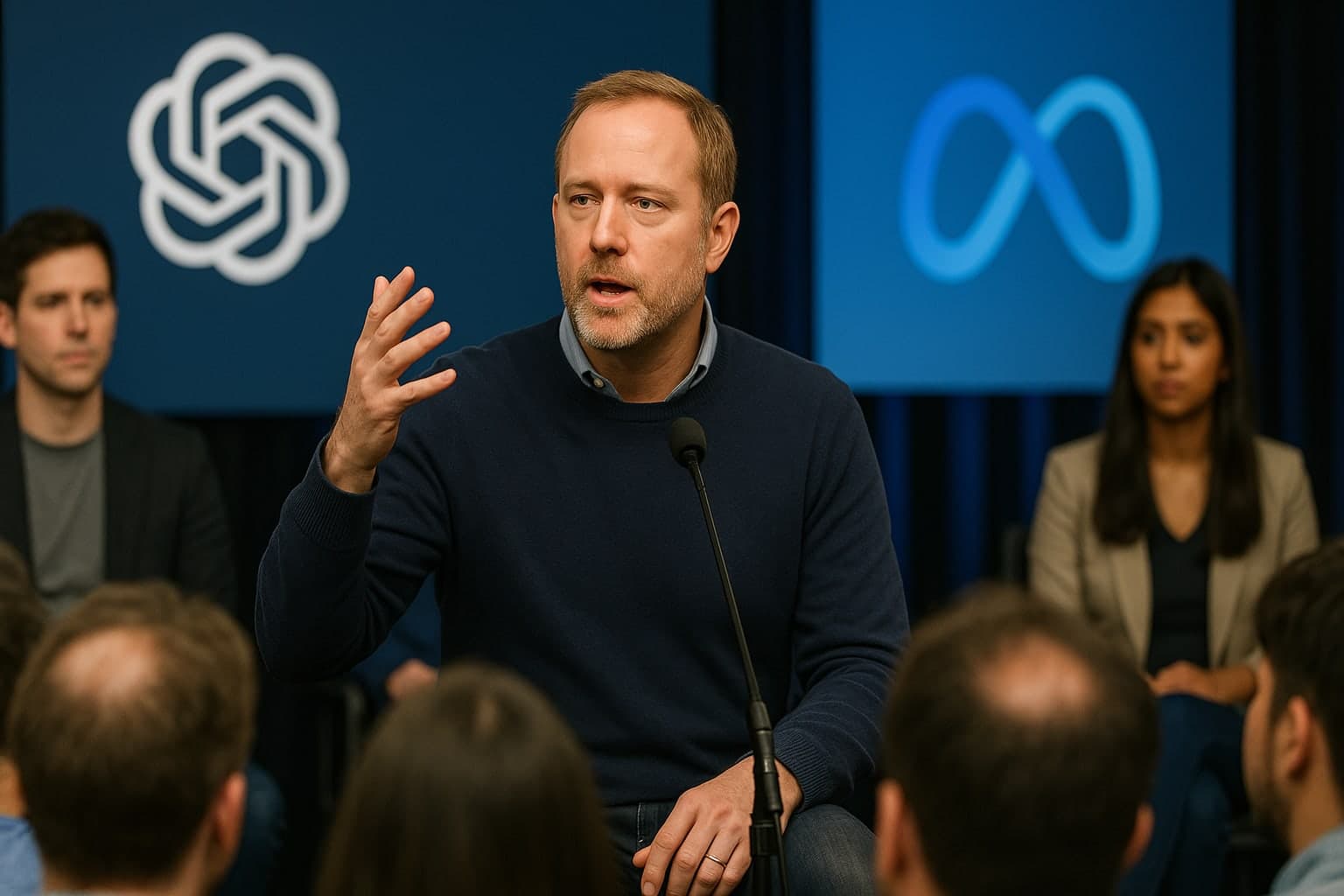
The Rise of AI Agents
In the rapidly evolving landscape of artificial intelligence, OpenAI and Meta are leading the charge with their respective AI agents, Dots and Muse. Both platforms are designed to assist users in various tasks, but they approach functionality and user experience differently.
OpenAI's Dots, unveiled recently, emphasizes a more enterprise-focused application, allowing users to manage work-related tasks while also offering the ability to order food or perform other personal tasks. This dual functionality aims to cater to both professional and personal needs, making it a versatile choice for users.
On the other hand, Meta's Muse targets a broader audience with its engaging and interactive interface. Muse allows users to create their own gadgets using open-source code, enabling a level of customization that appeals to tech enthusiasts and hobbyists. This flexibility could potentially attract a wider user base, as individuals can tailor Muse to fit their specific needs.
Key Features and Differentiators
While both agents offer unique features, their core philosophies differ. Dots is heavily integrated into productivity tools, focusing on enhancing workplace efficiency. In contrast, Muse is designed to be more of a personal assistant, encouraging creativity and personalization through its open-source nature.
The competition between these two AI giants is expected to intensify as both companies continue to innovate and expand their offerings. OpenAI's established reputation in AI research and development gives Dots a strong foundation, while Meta's vast user base and commitment to open-source technology could provide Muse with a significant advantage.
Looking Ahead
As users become increasingly reliant on AI for everyday tasks, the battle for supremacy between OpenAI's Dots and Meta's Muse will shape the future of personal and professional AI applications. With both companies investing heavily in their respective platforms, the next few years will be crucial in determining which AI agent will dominate the market.