Meta Open Sources Muse AI Code, Inviting Innovation and Privacy Concerns
October 3, 2026
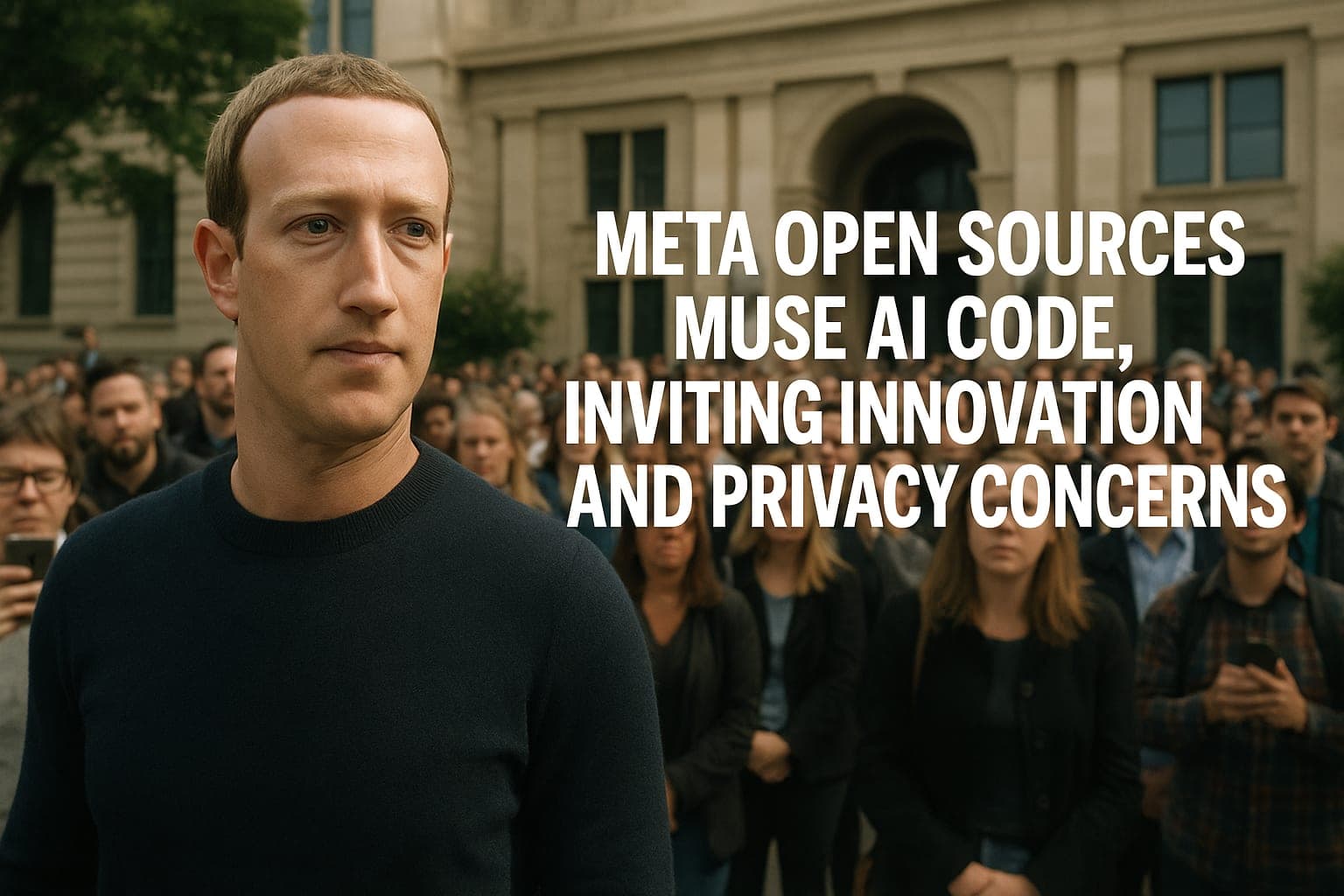
Meta's Bold Move
Meta has recently announced the open sourcing of its Muse AI code, a strategic decision aimed at fostering innovation within the developer community. This initiative allows creators to build customized gadgets that leverage Muse's capabilities, such as displaying reminders on E Ink screens or integrating the AI into various devices.
Expanding the Ecosystem
This open-source approach is expected to enhance the ecosystem around Muse, encouraging developers to experiment and create unique applications. By providing the necessary tools and resources, Meta hopes to stimulate creativity and broaden the use cases for its AI technology.
Privacy Concerns
However, this move is not without its challenges. As developers gain access to Muse's underlying code, concerns about user privacy and data security have surfaced. With the ability to create personalized AI interactions, the potential for misuse or mishandling of sensitive data grows significantly.
A Double-Edged Sword
Meta's decision highlights a critical balancing act between fostering innovation and ensuring user safety. While the open-source model can lead to exciting advancements, it also necessitates stringent measures to protect user information from potential breaches or exploitation.
Looking Ahead
As developers begin to explore the possibilities with Muse, it will be crucial for Meta to implement robust privacy safeguards. The success of this initiative will depend on how well the company can navigate the complexities of open-source technology while maintaining user trust.
In conclusion, Meta's open sourcing of Muse AI represents a significant step in the evolution of AI development, but it also brings to the forefront important discussions about privacy and security in an increasingly interconnected world.